The Berghof Approach
While conflict is inevitable, violence is not. We bring people in conflict together, creating space for conflict transformation.
Read takeaways from THE BERLIN MOOT 2024
Read takeaways from THE BERLIN MOOT 2024

We concluded the inaugural edition of The Berlin Moot with a call to take action in reshaping peace. Read takeaways from day two.
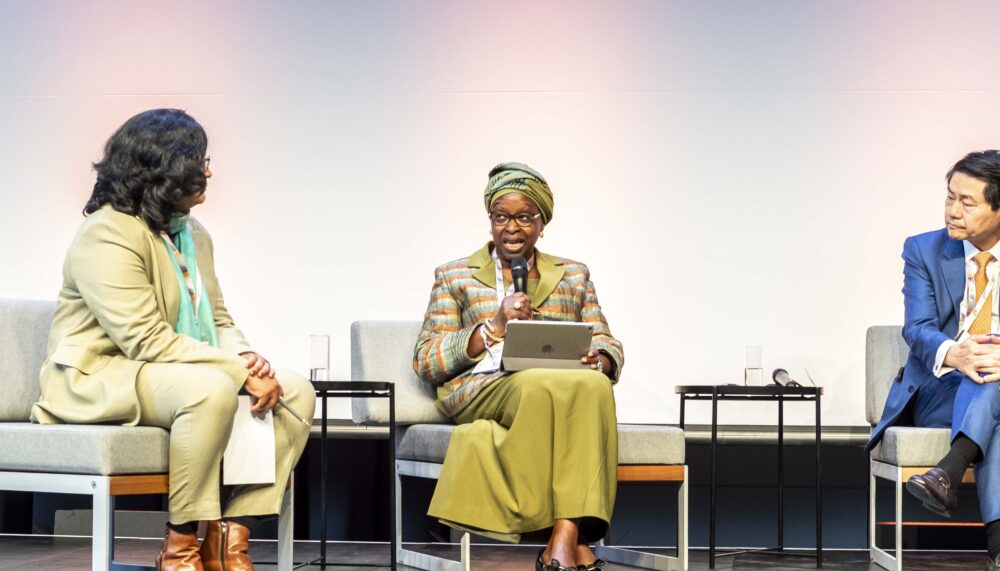


Isabel Kleitsch
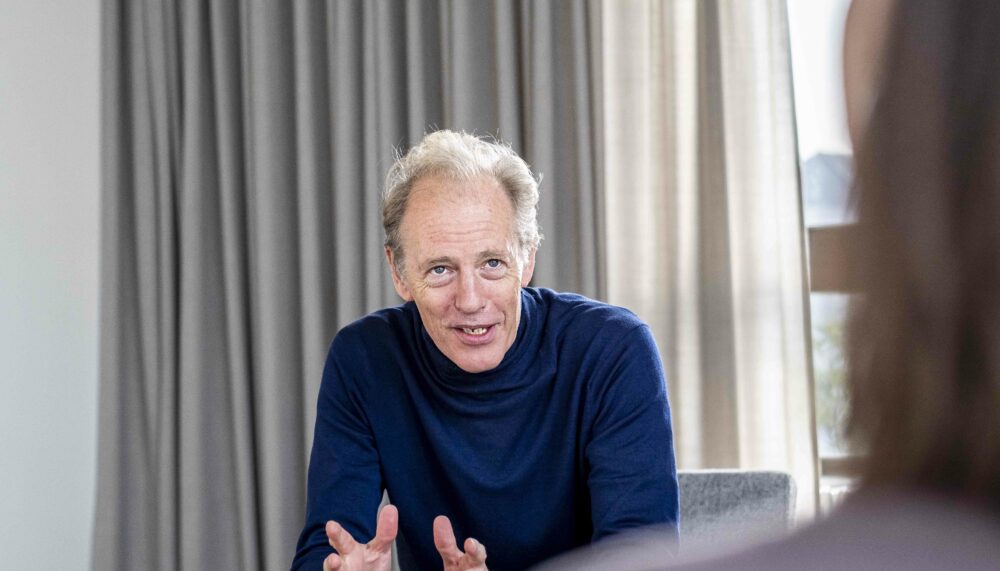
Andrew Gilmour
While conflict is inevitable, violence is not. We bring people in conflict together, creating space for conflict transformation.
Learn about conflict transformation and other key themes in our work.
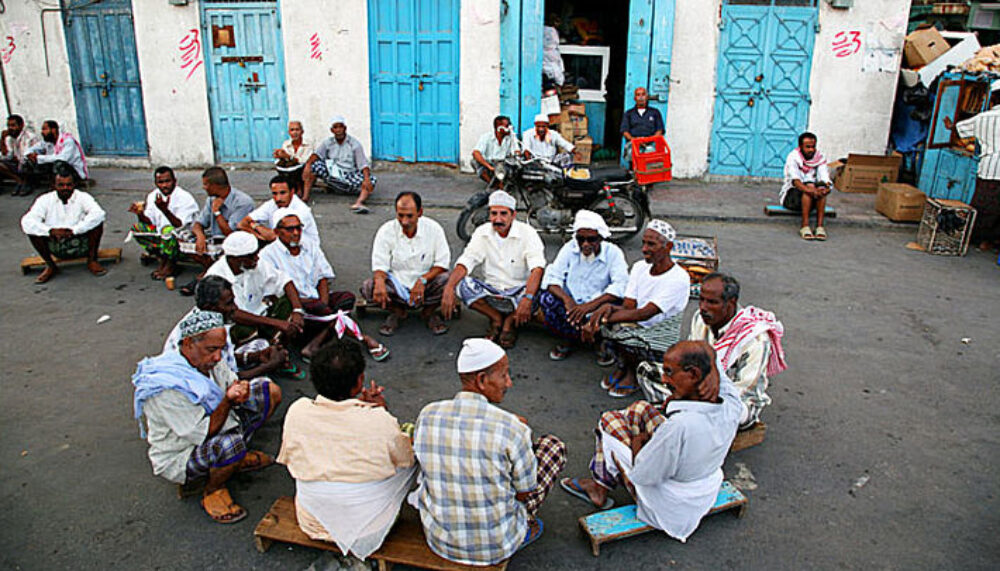
The PDSP supports Yemeni and international efforts for a political solution that provides the basis to end the war, to resume an inclusive political dialogue, and to relaunch the political transition.
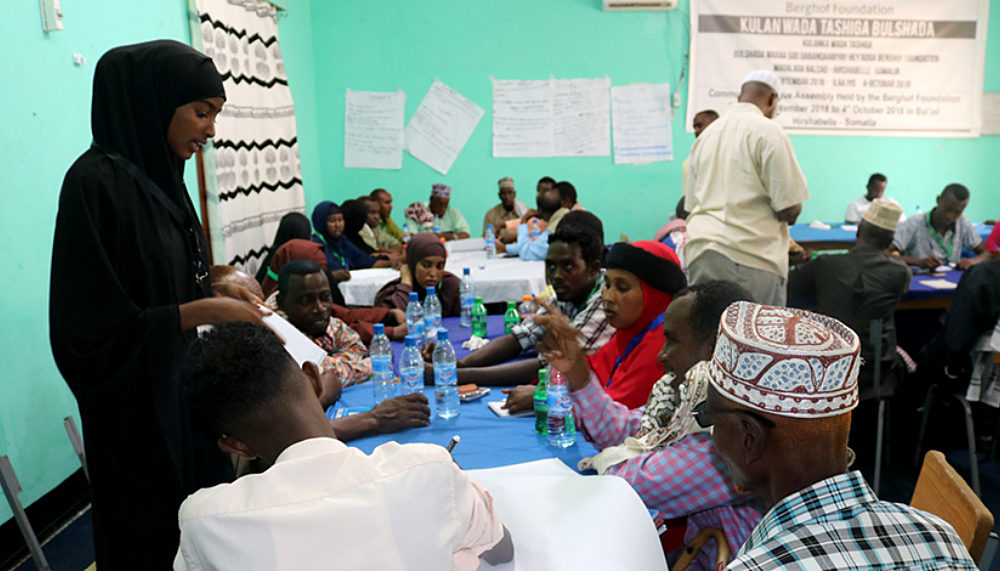
The project focuses on supporting and empowering local peacebuilders in their efforts to address conflict and support reconciliation in Hirshabelle State.
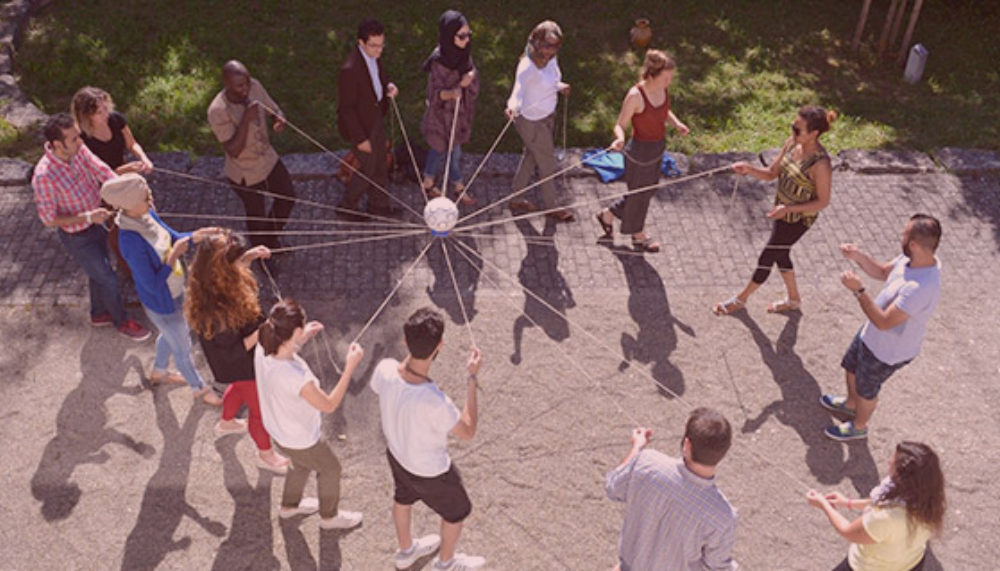
This online course provides theoretical basics informed by current issues as well as insights into proven methods from the Berghof Foundation’s peace education practice in Germany and abroad.
When you donate, you enable us to sustain and expand our work where it is most needed.
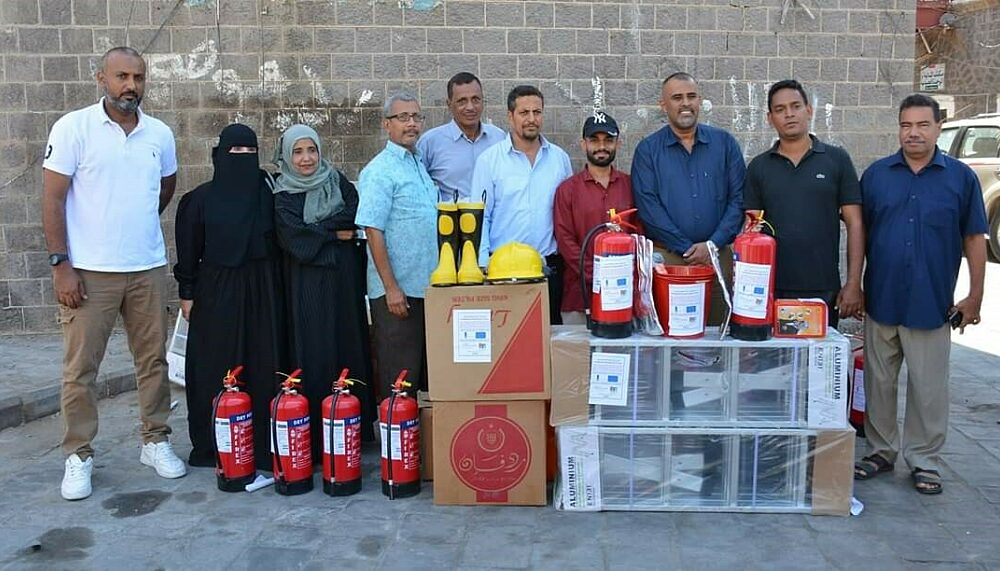
Together with our Yemeni partners, we work in five cities to improve the local communities' abilities to provide a safe environment for their citizens.
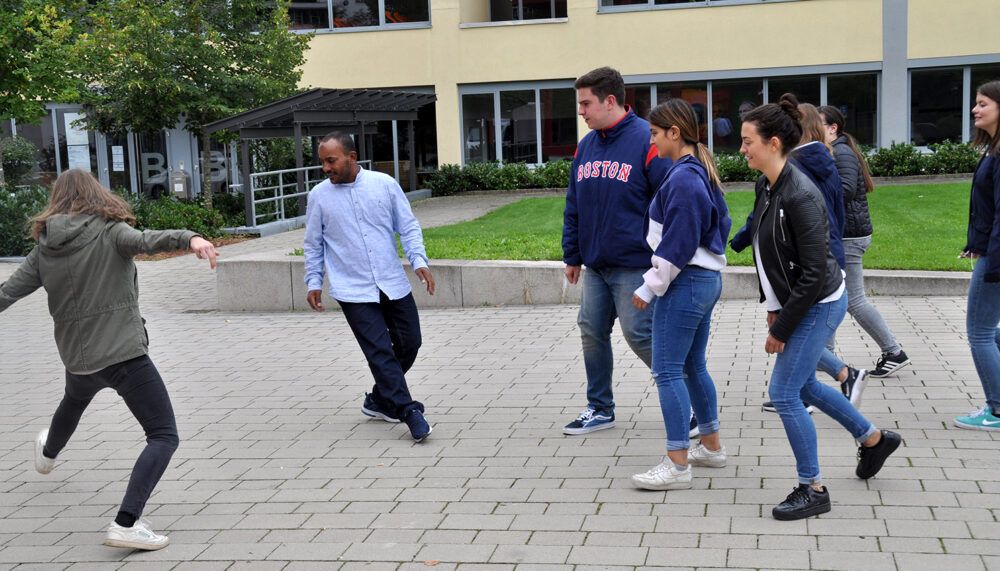
We run projects that enable young people to recognise peace and nonviolence as important values in their lives.
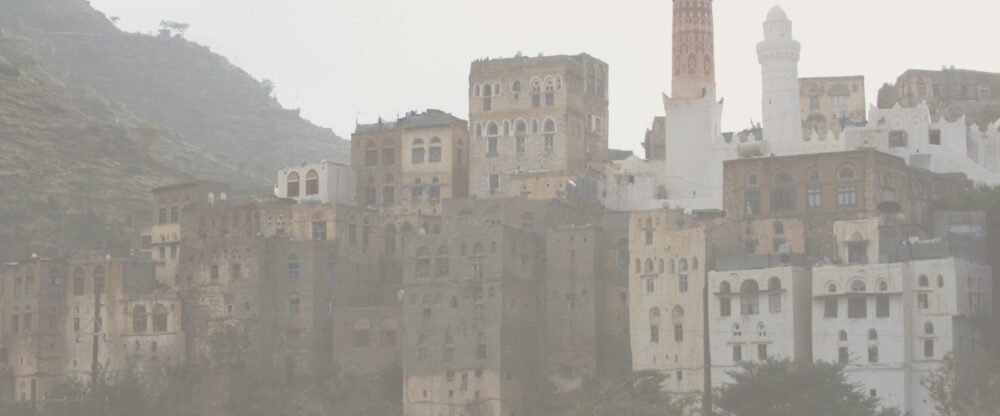
The Berghof Foundation is one of the world’s few organisations to entertain high-level channels of communication with all parties to the conflict in Yemen. The Berghof Foundation is one of the world’s few organisations to entertain high-level channels of communication with all parties to the conflict in Yemen.
German Federal Foreign Office German Federal Foreign Office